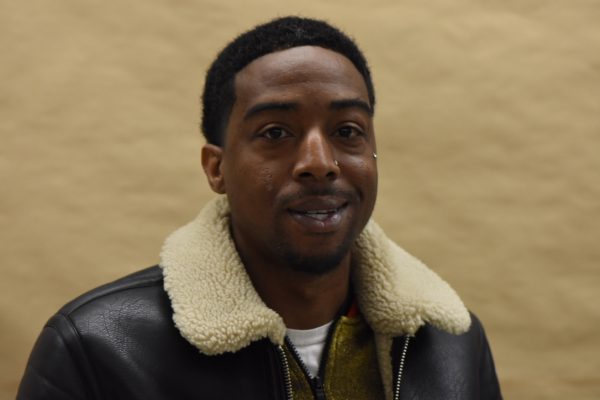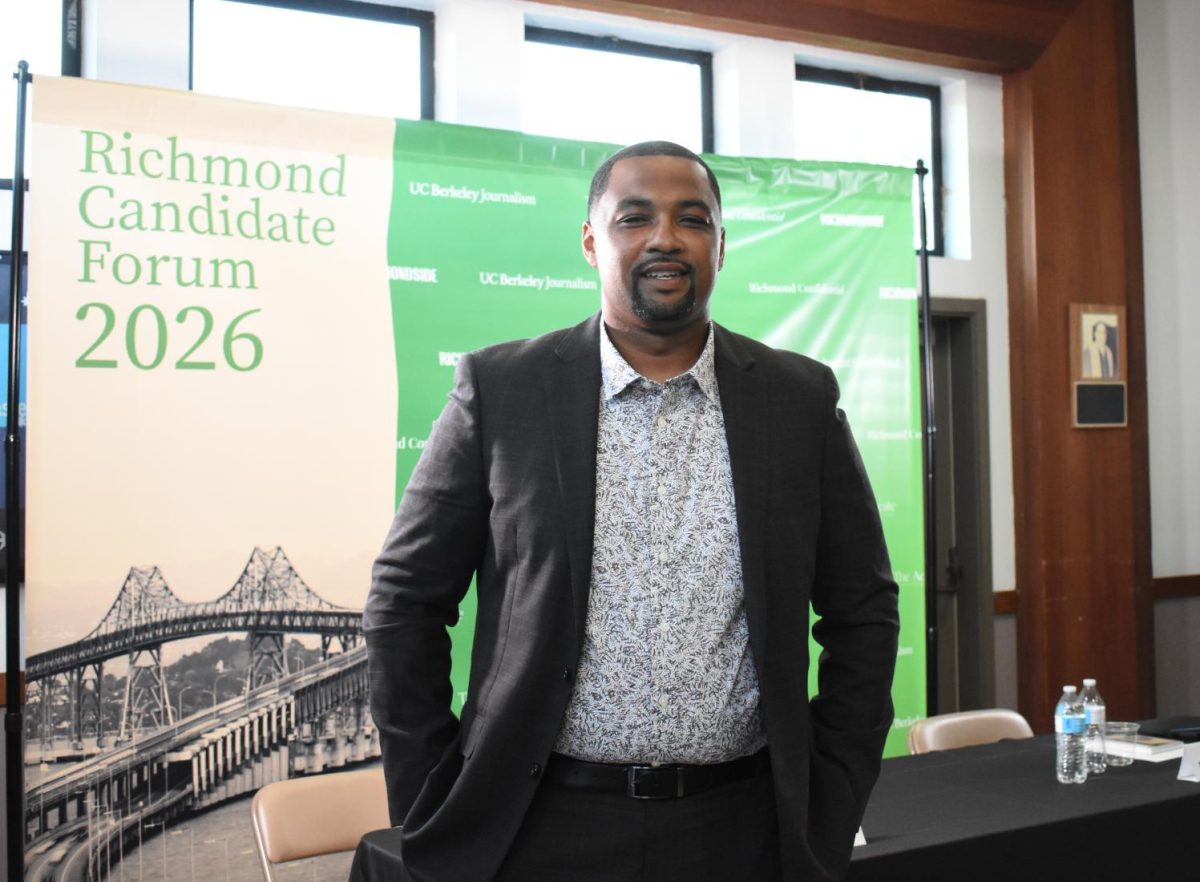
In the lead-up to Richmond’s upcoming city council election, candidates are making their case to voters across the city. Among them is Brandon Evans, a 36-year-old District 3 candidate running against incumbent Doria Robinson, whose campaign centers on a familiar but often debated idea: that leaders should come from the communities they represent.
At 36, Evans is running for city council in Richmond’s District 3, which includes neighborhoods such as Atchison Village, the southern Iron Triangle, Richmond Village, Coronado, Pullman, and Park Plaza. His campaign reflects both personal experience and professional work within the city.
In a place where many residents leave in search of opportunity, Evans has chosen to stay. His candidacy raises a broader question about representation and whether lived experience translates into effective leadership.
Evans’ ties to Richmond extend back generations. His grandparents migrated from Arkansas in the 1940s, joining part of a broader movement of Black families seeking opportunity on the West Coast. Like many families during that period, they contributed to building a city that continues to face both economic opportunity and inequality today.
Education became a central part of Evans’ path. He studied urban studies and city planning and later earned a master’s degree in public leadership from Contra Costa College. His academic focus is aligned with the issues he said matter most to Richmond residents, including housing, economic opportunity, and community investment.
Since 2015, Evans has worked in community organizing and public service, focusing on youth development and neighborhood investment. His campaign emphasizes the importance of leadership that reflects the lived realities of residents. That message, however, comes at a time when voters are also weighing candidates based on policy positions, experience, and their ability to address ongoing challenges in the city.
Growing up in a neighborhood often reduced to statistics, Evans describes a different reality at home. Structure, accountability, and care shaped his upbringing. Rather than defining him by the challenges surrounding his community. Those early experiences now inform how he speaks about public service, community investment, and representation in Richmond.
“I wasn’t raised by the streets,” he said. “I was raised with discipline, love, and accountability.”
His mother and grandmother operated an in-home daycare, creating an environment where responsibility was expected and respect was nonnegotiable. That experience, he said, helped shape his understanding of leadership early on.
Outside his home, Richmond presented a different set of challenges. Evans came of age in the early 2000s, when violence and economic hardship affected many neighborhoods. Those experiences, he said, continue to influence how he approaches public service, including his work in local government offices, youth outreach programs, and nonprofit reentry services supporting formerly incarcerated residents and unhoused community members.
Asked what led him to run for office, Evans said his decision was shaped by both personal experience and his work in the community.
“I know what it feels like to be left out of decisions that impact your life,” he said. “I am running to make sure those voices are included.”
Evans’ perspective on the city has changed over time. While he acknowledges progress in Richmond through new development, expanded community programs, and greater investment in neighborhoods that were once overlooked, he also points to ongoing concerns surrounding public safety, housing affordability, homelessness, and economic inequality. Having witnessed both the city’s struggles and its efforts to rebuild, Evans said those experiences shaped a more balanced view of Richmond, one that recognizes improvement while understanding that many residents still face daily challenges.
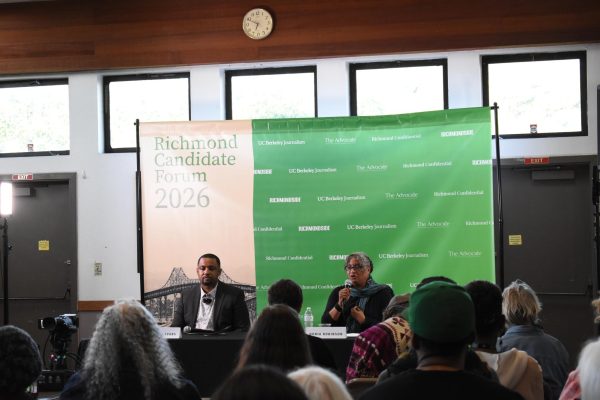
“Some things have improved, but many challenges remain,” he said. “Opportunity, safety, education. These are still real concerns. But the strength of the people has never changed. That’s why I’m still here.”
In Richmond, progress often depends on consistent investment at both the community and policy level, a priority reflected in the city’s long-term planning efforts focused on housing, economic development, public safety, and neighborhood services. Evans points to his upbringing as a foundation for how he approaches leadership. He credits the women who raised him with providing discipline and stability in an environment where uncertainty was common.
When asked what he hopes to accomplish if elected, Evans emphasized both representation and policy, saying he wants residents in District 3 to feel heard in City Hall while also advancing practical solutions to issues like public safety, housing affordability, and neighborhood investment.
“Too often, success is defined as leaving places like this,” he said. “I see it differently. Staying matters. Investing back matters. This is not separate from my story. It is my story.”
His campaign reflects that perspective, positioning him as a candidate rooted in the community he hopes to serve. In the end, voters will ultimately decide whether that connection translates into leadership they trust to address the city’s challenges.
For Evans, the message remains consistent and grounded in his lived experience. He frames his candidacy as something larger than personal ambition, emphasizing that background and upbringing should not be seen as limitations but as preparation for leadership.
“This is bigger than me,” he said. “Where you come from does not disqualify you. It prepares you.”