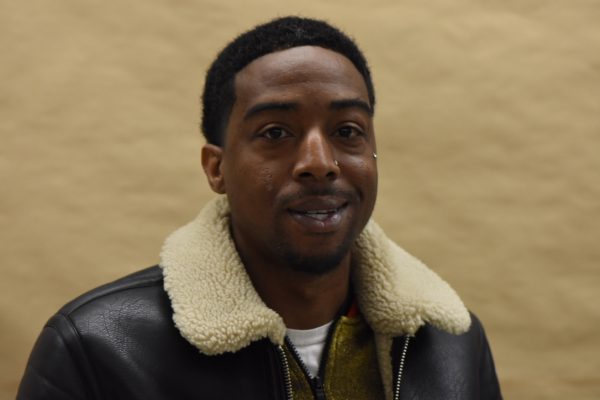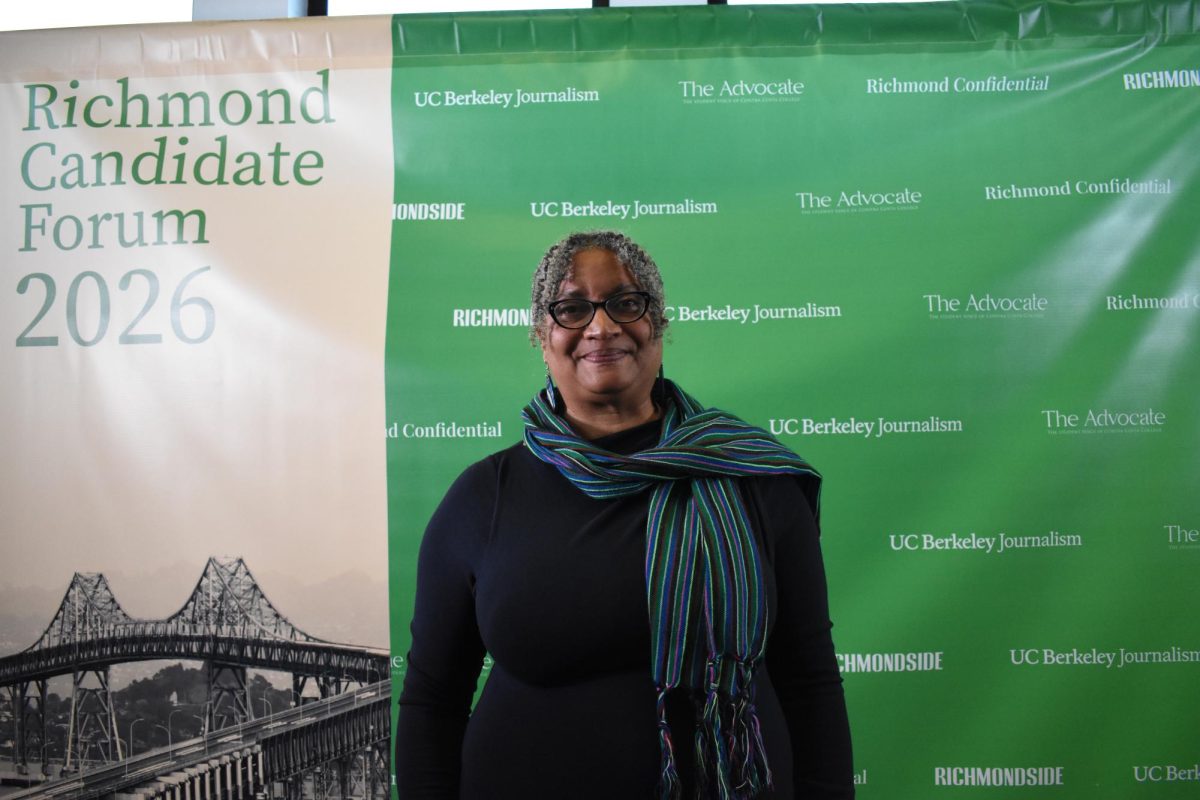
As Richmond approaches its upcoming city council election, District 3 incumbent Doria Robinson is seeking re-election in a competitive race against challenger Brandon Evans, centered on housing, public safety, and economic equity. In a phone interview with The Advocate, Robinson reflected on her time in office, her background in Richmond, and the priorities shaping her campaign.
“District Three is truly my home,” she said. during an interview with The Advocate. “I deeply understand what families are going through when they’re trying to raise kids, work multiple jobs, and navigate the city.”
Robinson, a third-generation Richmond resident, grew up in the Southside of the city in a household rooted in community and church life. She described that upbringing as central to her understanding of service and responsibility.
Before joining the Richmond City Council in 2022, Robinson spent nearly two decades working in environmental justice, food systems, and community development. She is the executive director of Urban Tilth, a Richmond-based nonprofit that operates urban farms and community programs focused on food access, youth employment, and environmental education.

Robinson’s work with Urban Tilth has centered on building community potential in underserved neighborhoods, connecting residents to land-based education, and expanding access to fresh, affordable food while advancing broader environmental justice goals in Richmond.
Under her leadership, Urban Tilth has expanded its presence across the city, providing locally grown produce and job training programs for residents. Robinson said that work continues to shape her approach to policy.
“When you’ve worked directly with communities every day, you understand what investment actually looks like on the ground,” Robison said .
Robinson has also been involved in several local initiatives focused on cooperative economics, small business support, and sustainable development, including efforts tied to community-led business models and environmentally-focused neighborhood planning.
She has pointed to those experiences as preparation for navigating city government and regional partnerships, arguing that collaboration between public agencies, local organizations, and residents is key to implementing long-term solutions in Richmond.
“I understand what it takes to build economic opportunity and responsibly manage large systems,” Robinson said, pointing to her experience in community development and environmental justice work as shaping that perspective.
Robinson said that addressing Richmond’s challenges requires a broad, interconnected approach rather than isolated fixes.
“We need living wage jobs, affordable housing, safer neighborhoods, and stronger support systems for families,” she explained.
Since taking office, Robinson has participated in city council decisions and discussions on housing development projects, public safety strategies, infrastructure improvements, and the city’s response to homelessness, including efforts tied to housing production and supportive services for unhoused residents.
Like other city leaders, she has faced ongoing challenges as Richmond continues to address rising housing costs, aging infrastructure, and long-standing racial and economic inequities that have shaped access to housing and opportunity across the city.
During the interview, Robinson acknowledged that progress has been uneven. She said the city has made some advances in housing planning and community programming, including expanded affordable housing efforts and neighborhood-based initiatives, but noted that deeper structural issues remain, particularly around long-standing housing shortages, income inequality, and disparities in access to public resources across Richmond.
“We are not finished with the work,” she said. “There is still a lot more to do around affordability, safety, and access to opportunity.”
Public safety remains one of the most discussed issues in the District 3 race. Robinson said she supports a balanced approach that includes both enforcement and prevention strategies. She emphasized investments in community-based programs, youth services, and mental health resources as part of long-term safety solutions.
“Safety is not just about policing,” she said. “It’s about stability, opportunity, and making sure people have what they need before situations escalate.”
Robinson also serves on the California State Board of Food and Agriculture, an appointment made by Governor Gavin Newsom. In that role, she has focused on food access, agricultural policy, and sustainability issues affecting underserved communities across the state. She said the experience has helped broaden her understanding of how local issues connect to statewide systems.
At the local level, Robinson said her focus remains on housing affordability, economic development, and environmental justice. She pointed to Richmond’s ongoing development pressures and housing shortage as key issues facing the council in the coming term.
The District 3 race has drawn increased attention as voters evaluate both incumbent leadership and potential challengers
When asked about her priorities if re-elected, Robinson returned to the theme of long-term investment, emphasizing the need to sustain and expand funding for affordable housing, strengthen public infrastructure, and support community-based programs that address public safety and economic opportunity.
She also pointed to the importance of continuing work on the city’s homelessness response and environmental resilience, arguing that lasting change in Richmond depends on consistent, coordinated investment across multiple city systems rather than short-term solutions.
“We are working to make Richmond a place where families can stay, grow, and thrive,” Robison said. “That work takes time, and it requires consistency.”
As the election approaches, voters will weigh whether to continue with current leadership or pursue a shift in direction. In her campaign, Robinson has portrayed herself as a candidate grounded in local history, nonprofit leadership, and public service experience at both the city and state level.
For Robinson, the race is about sustaining progress while addressing persistent challenges. She argues that continued investment in housing production, neighborhood infrastructure, and community-based services is essential to ensuring that recent gains are not reversed, while also acknowledging that many residents still feel the effects of rising costs and unequal access to resources across the city.
“There is still work ahead,” she said. “But I believe in this city, and I believe in what we can build together.”