Shaking hands, a hesitant voice, and eyes flicking back to the notebook—silently trying to force the brain to memorize the questions for the interview. I tell myself, No, I won’t look at the notebook; I want to appear professional in front of the person I’m interviewing. But all this preparation and tension only make the story worse. As you ask your first question—the one you practiced many times—your guest starts answering, and you begin thinking about your next question, reviewing it in your head. Instead of focusing on the guest’s answer and catching a follow-up question that could take the story in a whole new direction, you waste the moment. That’s fine; that’s always how beginnings are. But being a good journalist doesn’t necessarily mean being bureaucratically tied to the journalism rules you learned at university.
University teaches you the rules that help you write and produce journalism, but field experience teaches you how to be a great journalist. To get good answers that take your story to another level, you have to be a friend to your source and not make them feel they’re in a formal interview.
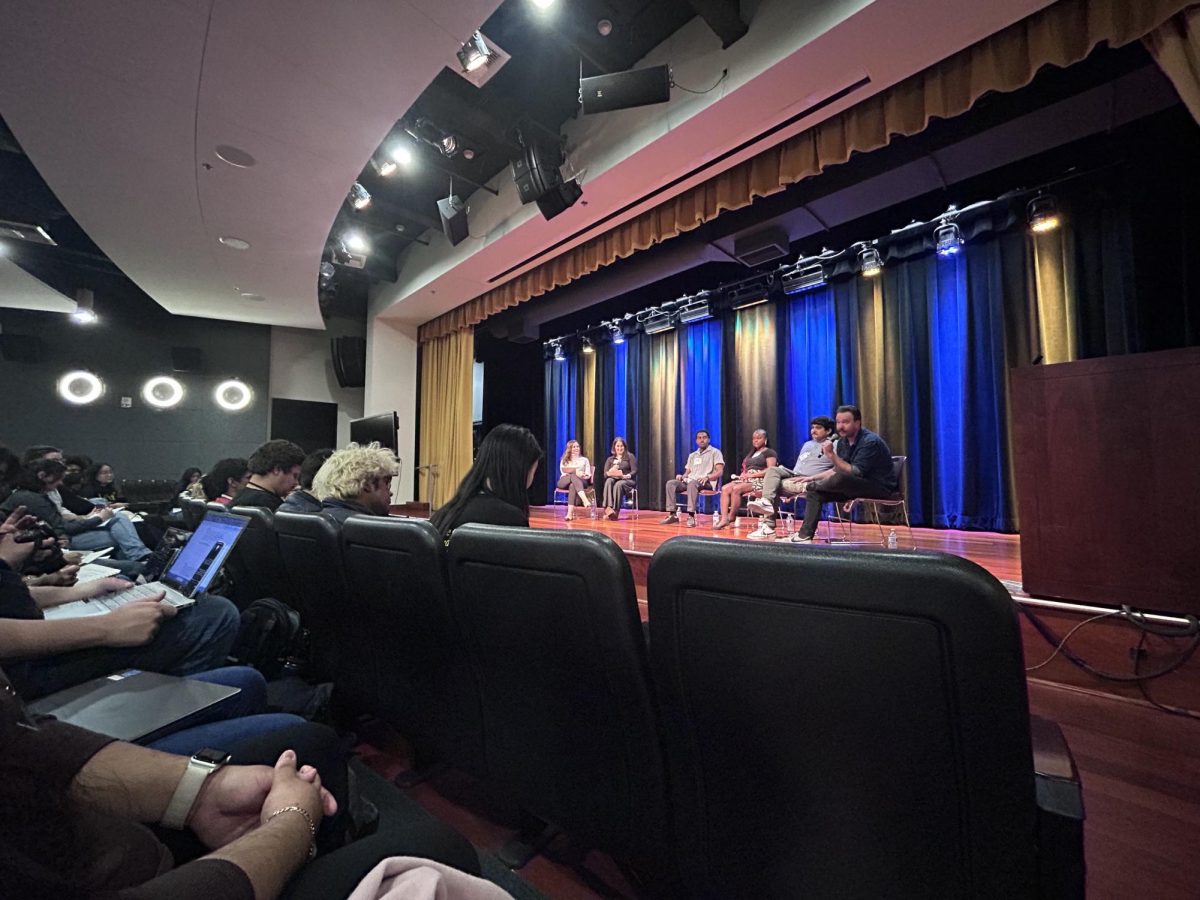
During the JACC Fall 2025 keynote, Shomik Mukherjee reminded student reporters that comfort builds credibility. When sources feel safe, they open up. When they feel judged, they retreat. A good story starts with trust, not tension.
A new-generation journalist might think that their posture, serious tone, and sharp questions make them look more professional. But none of this makes them shine. What earns a journalist real respect is humility and being natural, just like in daily life. There’s nothing wrong with starting a small conversation about life, family, or shared interests to break the ice before the interview and make the source more comfortable. This helps the guest speak freely, feel that you are someone they know, and often leads to better professional results.
One of my experiences was with a woman living in a Bedouin community. Her life was simply a tent and caring for her sheep pen—no electricity, no water, no services of any kind. When we started the interview, she was nervous and hesitant, unsure how to speak. I told her I was eager to taste the coffee she made, and then we would continue the interview. We made coffee together, talked about life, and I told her that I love animals and nature. I shared my own experiences cooking outdoors over fire instead of a stove. She became much more relaxed after that conversation and spoke smoothly during the interview. I remember that this report later won an award.
This experience made me feel the truth of what Shomik Mukherjee said because I practiced it and know its results. Every voice a journalist documents is a human story, not just a quote. Being aware of that and understanding it means you are a journalist who asks deeply, enjoys the work, and writes with honesty.
Journalism is not about what you already know about a topic or a story. It’s about the flexibility to listen to every perspective, absorb them, distinguish between them, and present them objectively and beautifully without ignoring any side of the story. Being the voice of the voiceless is what makes two stories about the same topic different—one finds wide readership, and the other doesn’t carry the same weight.
This story won an award in the on-the-spot contest at the Journalism Association of Community Colleges’ regional fall conference on Oct. 25, 2025.